

Busy doesn't always equal productive. Here's a 30-minute exercise to see where your sales team's time actually goes, and what Civitas Senior Living did with what they found.
Your sales team should be building relationships with families. Instead, someone is updating the CRM. Someone else is chasing a follow-up, confirming a tour or rewriting notes from a sticky pad. Relationship-building gets squeezed, every time.
That was the starting point for a recent Senior Housing News webinar, More Move-Ins, Less Work: What Senior Living Sales Teams Should Stop Doing in 2026. Jami Sexton, SVP of Strategic Initiatives at Further, sat down with Erica Siebert, Chief Sales and Marketing Officer at Civitas Senior Living, to talk about what happens when you stop measuring how busy a team is and start measuring what that busyness actually produces.
Erica put it simply: busy doesn't always equal productive. And the fastest way to see the difference is a 30-minute exercise you can run with your own team this week.
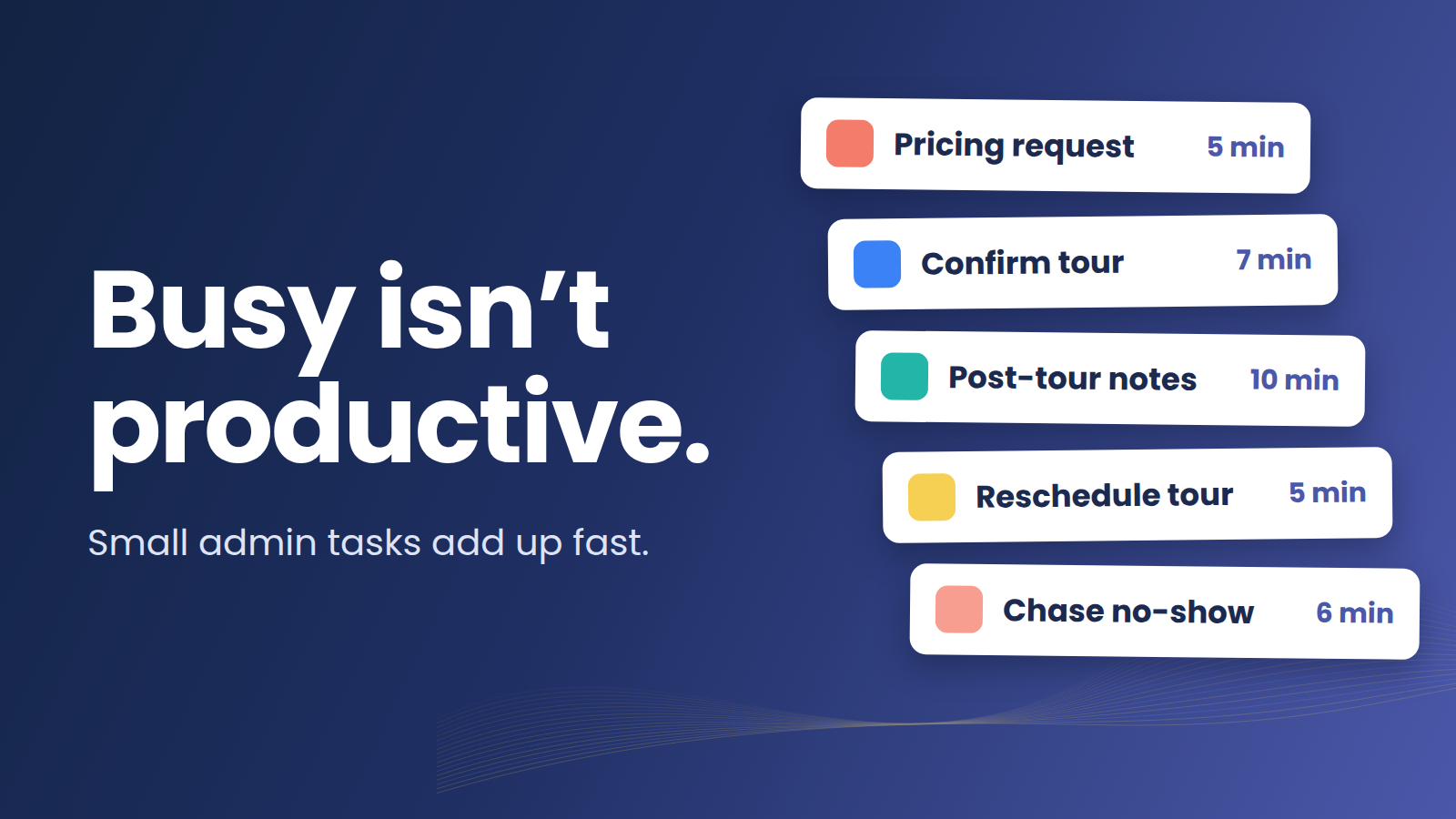
When Civitas looked closely at how its sales directors spent their days, the problem wasn't a single 40-hour project. It was five minutes here, seven minutes there: a reminder text, a CRM update, a rescheduled tour, a no-show to chase. Multiply that by every prospect, every community, every day, and the capacity disappears.
Webinar attendees recognized the pattern. When asked how many manual admin touches each of their last five prospects needed before a tour, the most common answer was four to six. A few said ten or more.
The volume makes it worse. Jami noted that inquiries have roughly quadrupled year over year, while salespeople close about one in ten. Handling 45, 55 or 100 new inquiries a month by hand leaves little room for the conversations that actually move a family.
There's a hidden cost, too: context switching. Jumping from a care conversation to a scheduling task to a data-entry field isn't just time on task. Each switch pulls a salesperson out of the focus that relationship work needs.
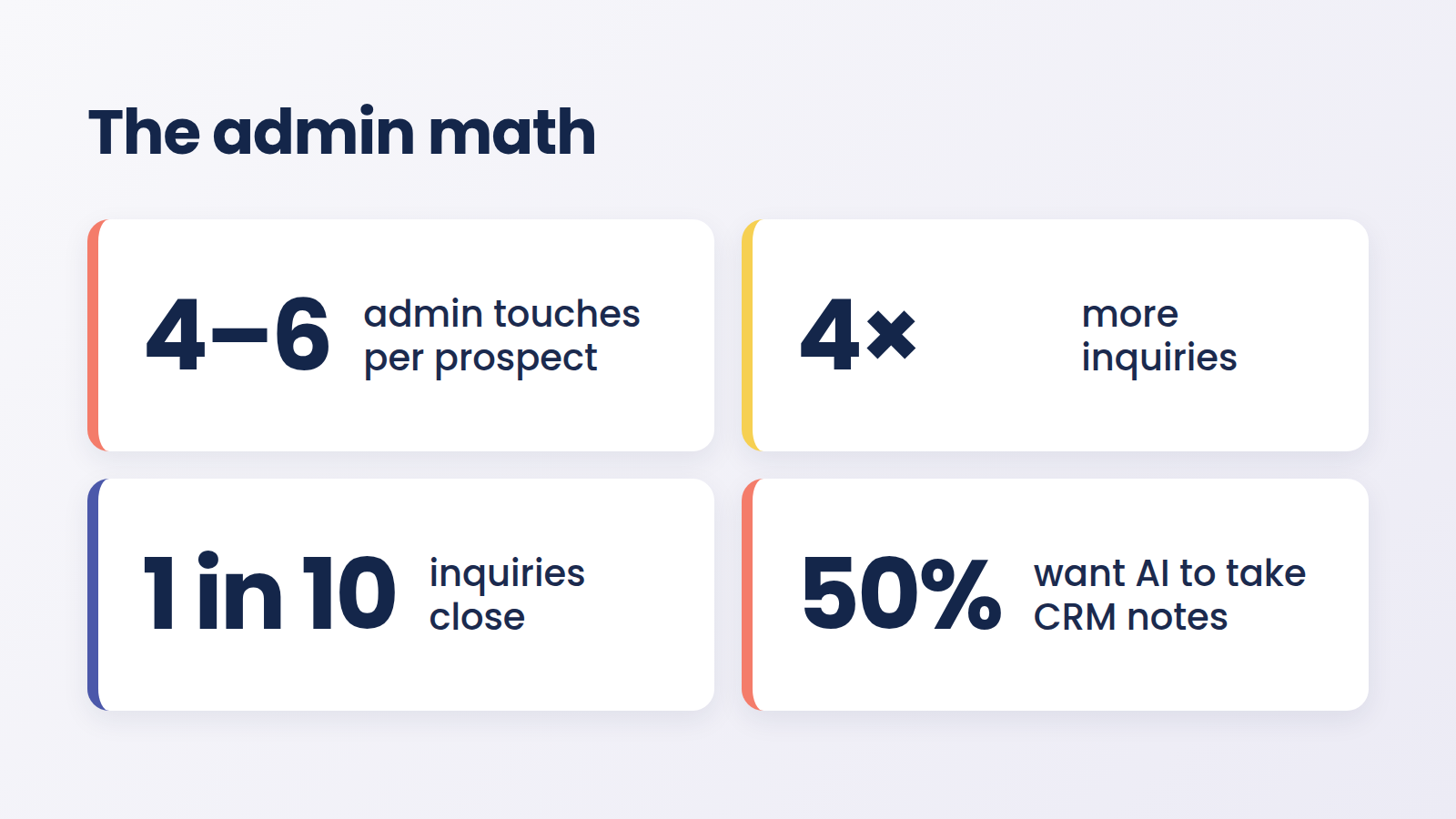
When attendees were asked what they'd want AI to take off their team's plate first, half chose note-taking and CRM updates. Jami, who spent 15 years in community and regional sales roles, understood why.
Erica started by asking a different question: how much of this activity actually moves a prospect closer to a decision? CRM updates, scheduling reminders and tour notes all matter, but none of them is the reason a family chose Civitas.
So Civitas sorted the work into two buckets:
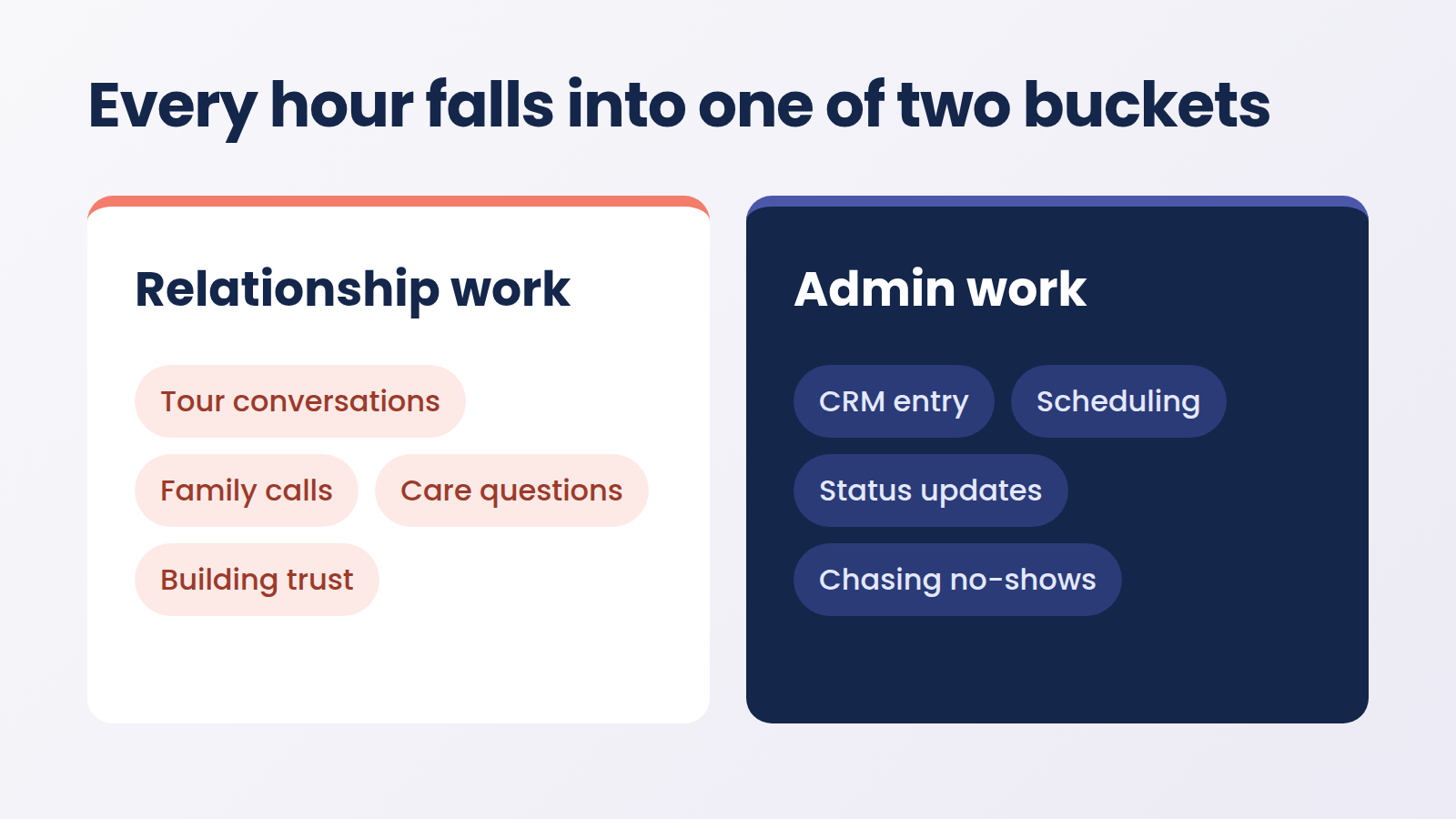
Relationship work is where the difference happens. Listening, asking the right questions, understanding urgency and care needs, and helping families feel confident in a deeply personal decision. That's why you hire great salespeople. The audit shows how much of their day they actually get to spend on it.
This doesn't need to be complicated. The goal isn't a perfect productivity study. It's visibility.
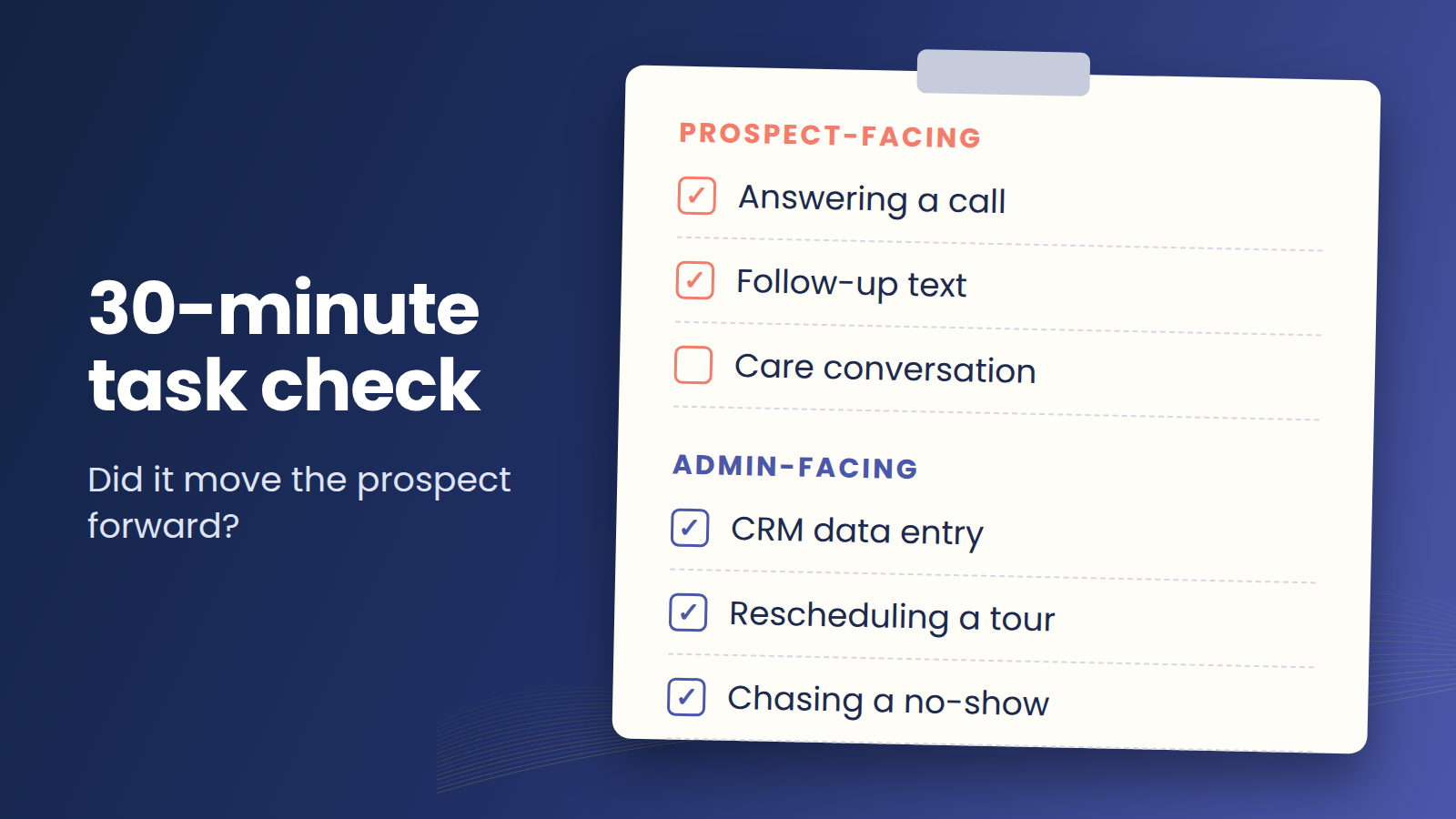
The "aha" isn't a precise number. It's seeing how few prospect-facing things get done in 30 minutes, because so much of the window goes to manual upkeep. As Erica put it, a lot of what fills the day is checking a box rather than doing something effective.
Once you can see the admin work, you can decide what to stop doing by hand. For Civitas, the through-line was anything repetitive and time-sensitive that sat on a salesperson's plate between "lead comes in" and "tour happens."
Here's what they took off their sales directors' plates:
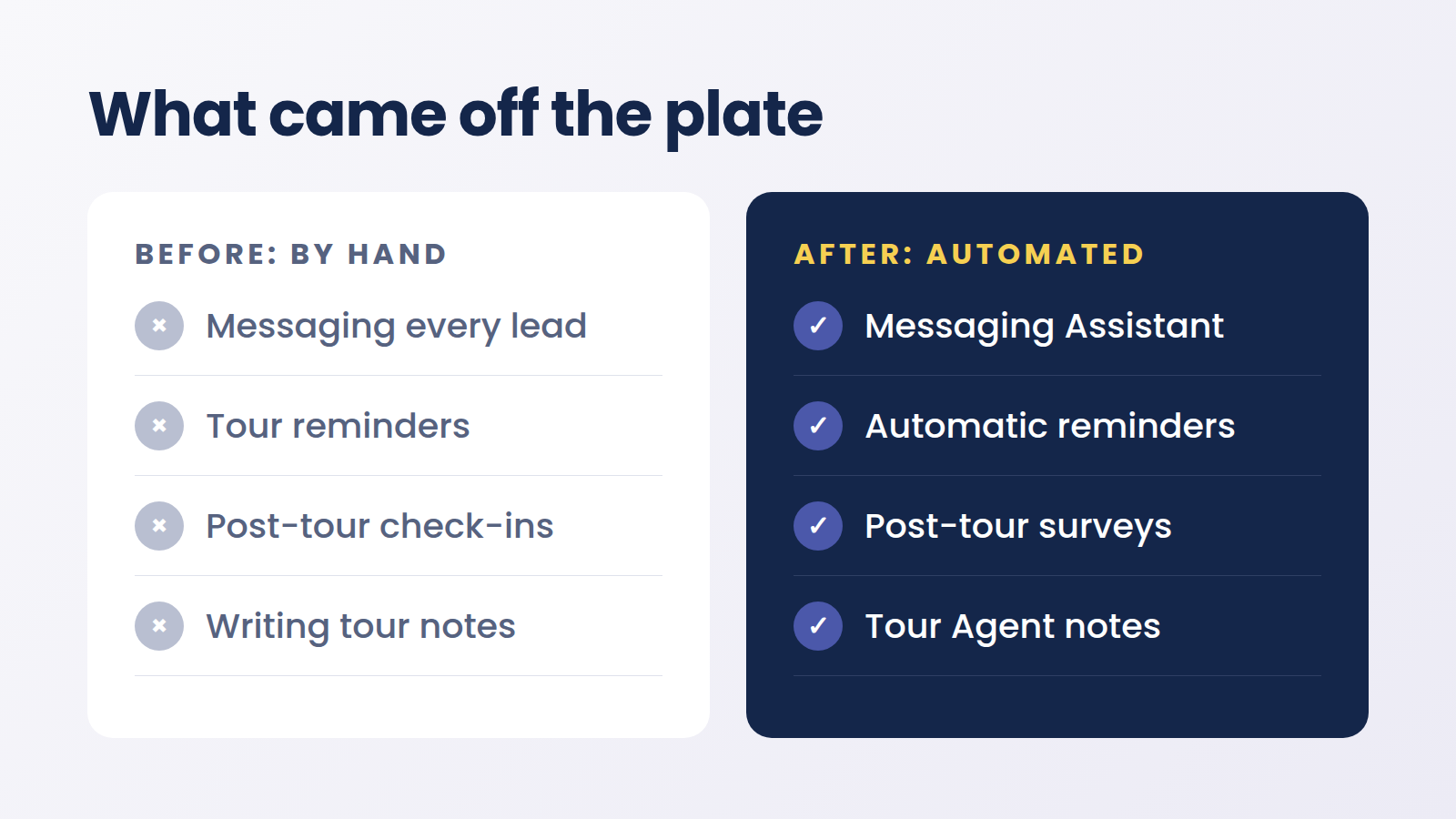
Erica was clear that the goal wasn't more technology. It was fewer things a salesperson had to remember, so they could be fully present with families. Not everything belongs on the automate list, either. Conversations about a parent's care needs, safety or finances need a person in the room. AI can help get the family to the conversation; your people own it.
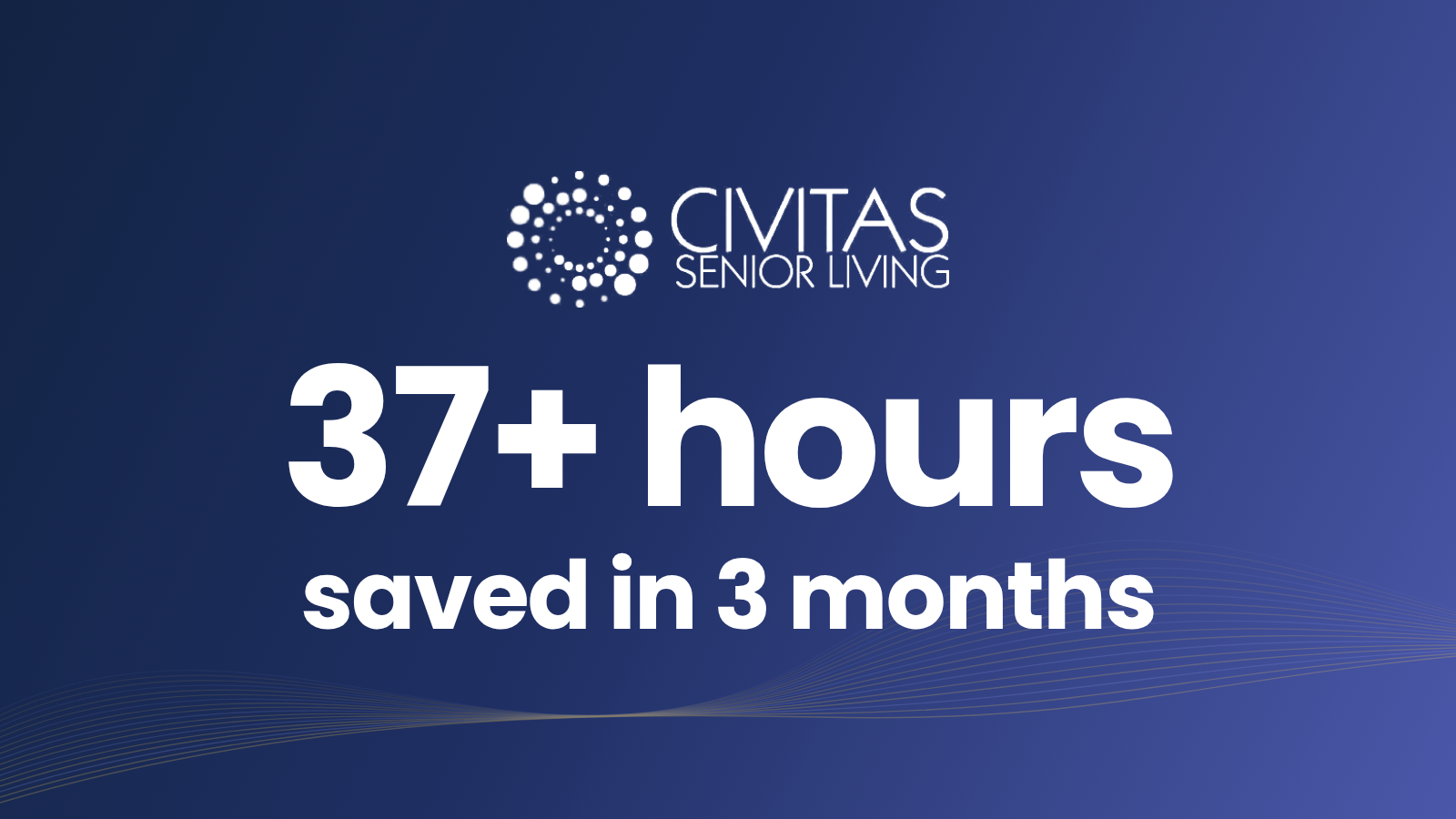
From June through August 2026, Civitas's top-adopting community got back more than 37 hours, nearly a full work week. Over the same three months, move-ins across the 32-community portfolio grew 27%.
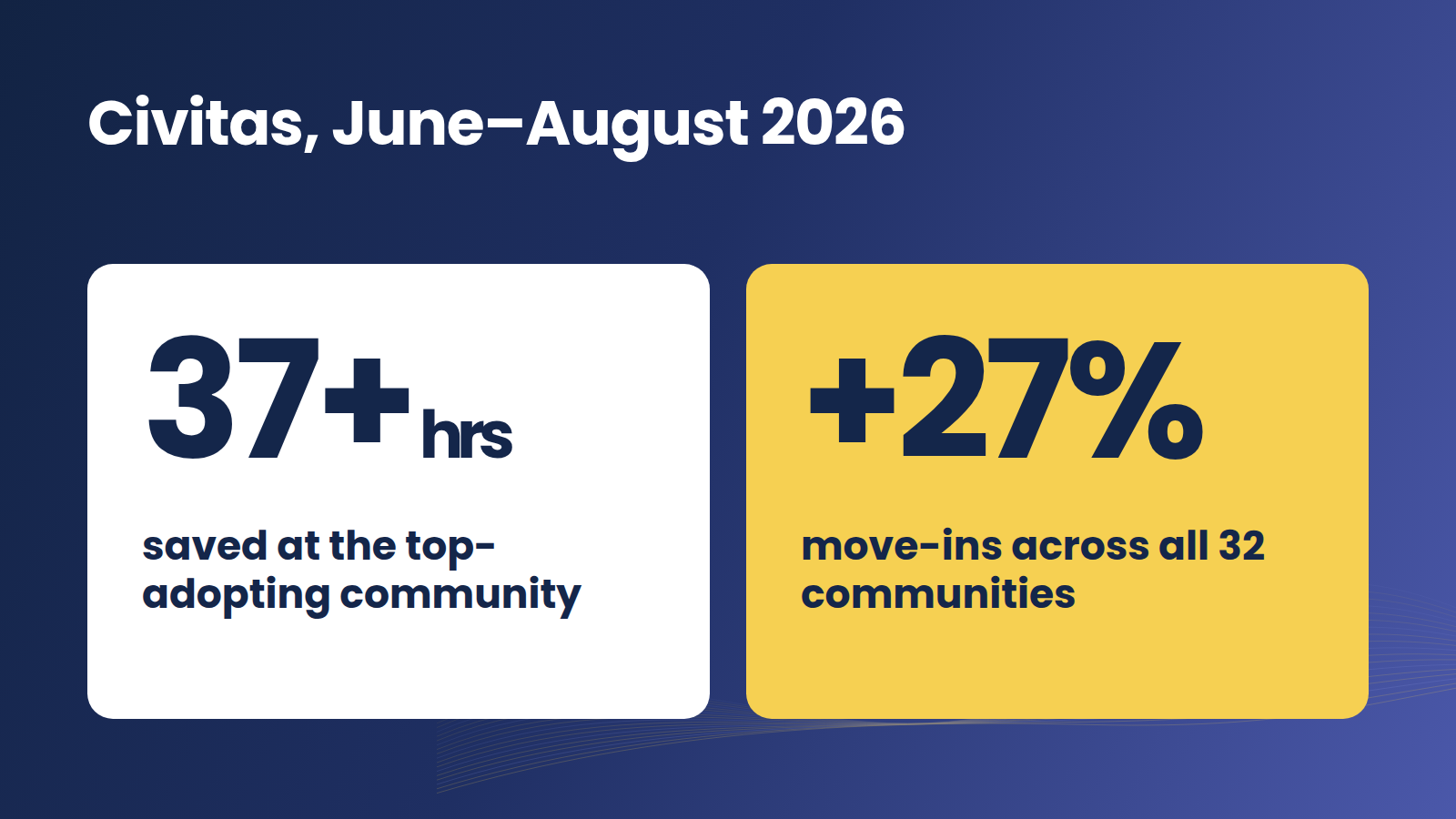
Erica is careful not to credit any single tool for that growth. What the automation did was create capacity, and Civitas reinvested it in the high-value work that gets families to a decision. That's the point of the audit: freeing up time only matters if it goes back into relationships.
You don't need a new system or a consultant to find out where your team's time goes. You need one salesperson, one 30-minute window and an honest look at what moved a family forward.
Run it this week. If what you find looks a lot like what Civitas found, the result isn't just a cleaner process. It's a team that sells more by doing less of the wrong work.
Want to see how Civitas did it? Read the full case study or book a demo to see how Further can take the busy work off your team's plate.

